
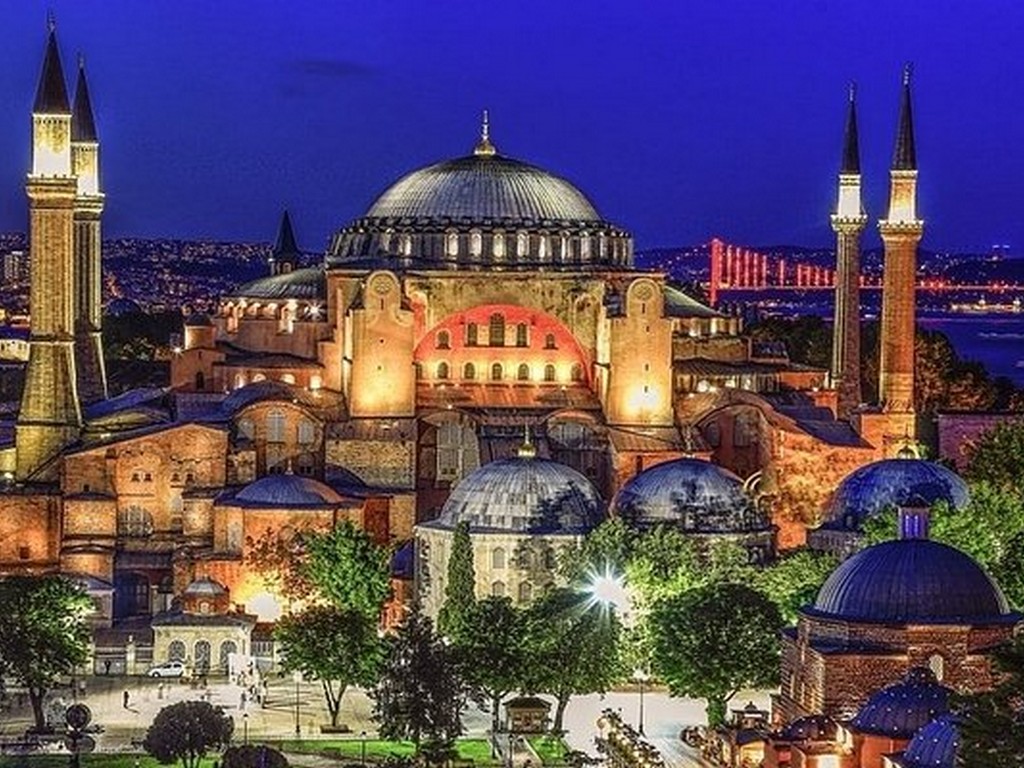
Turkey, which sits on both the European and Asian Continents, is a cultural melting pot with something extraordinary, remarkable, and unique for everyone. It offers a stunning Mediterranean sea shoreline, ancient sites that rival those in Greece and Italy, mouthwatering cuisine, and a hospitable population.
Best Time to Visit Turkey
There is no best time to visit Turkey, Turkey can be visited all year round depending upon your interests.
It has extreme weather, which means that it can get quite cold during the winter and very hot during the hottest months of the year. As a result, the ideal times to visit Turkey are at the end of summer, in the spring, and in the fall. These seasons allow you to travel around without worrying about the weather, indeed a paradise for globetrotters.
Yet if you want to plan for a vacation to Turkey, here are some tips shared in the article with the weather, climate, and other key information that will help you to judge the best time to visit Turkey.
Spring Season – 10°C and 25°C – March to May
Spring is the best time to visit Turkey if you want to see the country’s stunning scenery, authentic culture, comfortable weather, and fewer tourists. The spring season in Turkey occurs mainly in the months of March, April, and May. At this time of the year, the days are long and the weather is mild and comfortable. If you love to spend a vacation with fewer crowds and mild weather, the spring season is the best time to visit Turkey.
Typically, March begins with a mix of temperatures, with rather cold mornings that eventually melt away to give way to milder days. The full bloom and temperate temperatures of spring are also present. You feel as though you’ve been transported to a fairyland as the nation is draped in a carpet of flowers. You will love to drench your eyes with the captivating beauty of nature and the picturesque landscape encompassing the country.
Weather conditions – The two main months when spring begins to manifest itself around you are April and May. One constantly wants to just wander aimlessly through Istanbul’s streets and take it all in. One of the best seasons to travel to Turkey and explore these historic places is spring. Aside from the temperature, the peak months for tulip growth are April and May. All of the gardens in the area of Turkey start bursting with beautiful displays of tulips and other blooms. Nature admirers will love to visit the country in spring to immerse in the bright flora painting the country with vibrant colors and an enigmatic aura. However, if you intend to travel to the southern regions and have a special zeal for adventure, then you are in the perfect place. The place and the weather are both ideals for both cyclists and hikers.
Significance of Spring – On March 18, Turkey commemorates the Canakkale Martyrs and Victors to honor the brave citizens who risked all to defend their nation. In Turkey’s history, the day is of utmost significance. Aegean province hosts the ancient event known as Mesir Macunu. A unique sweet paste that had been used to treat ailments back then rose to great fame and was therefore distributed as goodwill throughout the entire kingdom. The celebration initiates and is observed till March 21st. In April, Turkey begins to experience full blossoms. As a result, Istanbul hosts one of the largest tulip festivals in the world during the full month of May as well as the month of April.
Istanbul hosts the biggest international film festival in April. Writers, filmmakers, and performers go from all over the world to participate in this event. The annual Ephesus Festival of Color and Art takes place in the first week of May. It is a stunning and colorful event that lasts for an entire week and includes dances and folk performances.
Summer – 24°C and 48°C – June to August
If you love a bit of sunny weather, for you the best time to visit Turkey is during the summer, when the country enjoys mild summer temperatures, swimming, tanning, seaside dining, summer garden terraces, and vibrant nightlife. In five of Turkey’s seven main climate regions, the summer months of June, July, and August are fairly hot, yet they are typically rainless and chilly inland in the evenings. The Aegean and Mediterranean shores experience hot, moderately dry summers and chilly, rainy winters.
Weather Conditions – In Turkey, June, July, and August are typically warm months. Turkey experiences severely dry and sweltering summers. But the climate is perfect for strolling across the Mediterranean shoreline. Given the heat, exploring the ancient ruins could be a little challenging. Since the summers are typically regarded as a slow time, there are fewer visitors.
Significance of summer – Because of Ramadan, the months of May and June are seen as fortunate times. Turkey is a Muslim-majority country, so this must be kept in mind as some services may become inaccessible during prayer times.
The largest celebration in Cappadocia, the Cappadox Festival, is held annually on the first of June and is not to be missed. There are more than 140 events that highlight food, music, and culture. An annual wine festival on Bozcaada Island features live music, vineyard excursions, and wine sampling. Every summer, the Chill-Out Festival takes place in Cesme, Bodrum, and Istanbul. It features classes, lounges, music, and other events. Over 2000 international participants swim across the continent in the spectacular Bosporus Cross-Continental Swim.
It features classes, lounges, music, and other events. Over 2000 international participants swim across the continent in the spectacular Bosporus Cross-Continental Swim. The fact that so many former Olympic champions take part in the same event makes it a really fascinating sight. To honor the victory over the Greek army invading the country in 1922, August 30 is a national holiday throughout the entire nation!
Autumn – 12°C and 29°C – September to November
Fall is the best time to visit Turkey because of the generally moderate weather, which is ideal for exploring historical sites, enjoying the local culture, and taking in the country’s distinctive natural beauty. In Turkey, the days grow shorter and the possibility of rain returns in October.
Weather Conditions – Turkey’s autumn is breathtaking, to put it mildly. Despite the fact that the sea is still warm, it starts to get colder and the days get shorter. The city is best explored in the fall when there are fewer people around and prices are lower. It is perfect to visit the old city and turquoise beaches during this season, despite the fact that many people do not choose to do so.
Significance – Autumn is significant because there are many festivals celebrating art, music, and wine. The people appreciate this season since tourism begins to decline and they have more opportunities to enjoy their culture and free time.
A grape festival called the Bozcaada Vintage Festival is held on the island of the same name. Grapes of more than four distinct varieties are picked, and there is a sizable event for grape picking and the sale of delectable wines.
One of the most famous events of modern art in the world, the International Istanbul Biennial, takes place every September. The goal of the Goreme Food Festival is to teach the next generation about organic farming and Cappadocian cuisine. It is quite intriguing and sheds light on their ancestry. The Republic Day, Cumhurivet Bayrami, is observed on October 29 with considerable fanfare. A public holiday is observed, and speeches, parades, and fireworks are all used.
The two-week-long Akbank International Jazz Festival honors jazz. Some of the most well-known artists in the world play at the event in some of the most exquisite settings. Turkey hosts the finish line of the only marathon in the world to span two continents. It begins on the Asian coast and concludes on November 3rd on the Bosporus.
Winter – 3°C and 16°C – December to February
For those who love winter sports, the best time to visit Turkey is during the winter, when you can enjoy skiing and other winter activities as well as the real local culture. With the exception of the southeast, which remains temperate, Turkey’s winter season (December, January, and February) can be chilly, rainy, snowy, and occasionally cold but sunny. The majority of Turkey’s annual precipitation falls during the winter.
Weather Conditions – In this region of the world, temperatures typically drop to extremely low levels in November and December. Winter in Turkey is not the best season because of the low temperatures in most of the nation and the frequent occurrence of snow. If you can withstand the cold and don’t mind the occasional drizzle, this can be a nice time to visit Istanbul as it is still quite quiet. In some regions of Turkey, the temperature even drops into the negatives, making travel there difficult. This results in a shortage of activities on the beaches
Significance – The Rumi festival offers the chance to do the whirling-device dance, which is basically an active kind of meditation. These performances are primarily seen in Istanbul’s ornate mosques; however, they are occasionally seen on the city’s streets as well. Istanbul does not observe Christmas eve because the majority of the population is Muslim, yet there are Christmas markets hosted all around the nation. Restaurants arrange unique events with specially crafted cuisines to celebrate New Year’s Eve with a spectacular fiesta. Since the majority of orthodox churches use the Julian calendar, Christmas is observed in January. Over 10 days in February, the Istanbul independent film festival takes place. This festival, which began in 2002, attracts more than 80,000 visitors yearly.
Turkey has a plethora of places to visit and plenty of activities to witness and explore. The weather in Turkey is not very extreme be it hot or cold. Hence depending on your preferences and interests, you can decide the best time to visit Turkey and indulge in a soulful vacation with family, friends, or even solo. Every season in Turkey is unique in its own beauty, exploring them is interesting and memorable indeed.

Leave a Reply