

Digital art shows are taking over the world, but Tokyo has always been ahead of the times. It is home to two of the world’s most distinctive immersive art experiences: teamLab Borderless and teamLab Planets, and they are unlike any of the museums you have explored before. Both promise you an immersive experience with the help of lights, music, projection mappings, and special effects.
Choose teamLab Borderless if you enjoy exploring interconnected digital artworks at your own pace, want to keep your shoes on, and prefer a flexible museum experience. Choose teamLab Planets if you want to walk barefoot through water, interact physically with immersive installations, and explore unique sensory environments.
For families with children who enjoy active play, Planets can be particularly engaging. For couples and photography enthusiasts who prefer exploring at their own pace, Borderless is an excellent choice. If you have enough time in Tokyo, both museums offer distinct experiences worth considering.
This travel guide gives you insight into both museums, so you can finalise your Tokyo plans. We’ll also cover ticket prices, accessibility, visit duration, and which experience is better for different types of travellers.
TeamLab Borderless or Planets: Quick Comparison
TeamLab Borderless or Planets: Quick Comparison
| Feature | teamLab Borderless | teamLab Planets |
|---|---|---|
| Location | Azabudai Hills, Tokyo | Toyosu, Tokyo |
| Experience | Explore freely through interconnected digital artworks | Walk through immersive artworks, including water-based installations |
| Water Experience | No | Yes |
| Best For | Exploration, photography and interactive art | Immersive experiences and unique installations |
| Time Needed | About 2–3 hours | About 2–2.5 hours |
Planning to visit Tokyo? View Japan Tour Packages
teamLab Borderless vs Planets Ticket Prices and Booking
Ticket prices for teamLab Borderless and teamLab Planets vary depending on the date, ticket category, and availability. Both museums offer timed-entry tickets, so booking in advance is recommended, especially during weekends and peak tourist seasons. Here’s a quick comparison of ticket prices and booking details to help you plan your visit.
| Ticket Details | teamLab Borderless | teamLab Planets |
|---|---|---|
| Adults (18+) | From ¥3,400. Prices Vary | From ¥3,800. Prices Vary |
| Teenagers (13–17) | ¥2,800 | ¥2,800 |
| Children (4–12) | ¥1,500 | ¥1,500 |
| Children (3 and under) | Free | Free |
| Disability discount | From ¥1,700 | From ¥1,900 |
| Flexible / Premium pass | ¥12,000 | ¥12,000 |
| Advance booking | Recommended | Recommended |
| Standard admission | Timed entry | Timed entry |
| Ticket pricing | Varies by date | Varies by date |
Prices checked in November 2026. Prices and availability may change. Check official ticket websites before booking.
What to Expect at TeamLab Borderless?
teamLab Borderless is exactly how its name suggests: without any borders. You will wander within a single, continuous world without a map. There are no directions, just you and a plethora of art pieces. The artwork either influences other work or blends with each other, creating a continuous flow of motion.
The best part about teamLab Borderless is that some of the art movements or actions respond to your touch. For example, the flowers blooming or animals walking along with you. There is a lot to explore, and you can easily spend 2 to 3 hours here while clicking random pictures with the artwork.
ALSO SEE – Japan Visa for Indians -Cost, Types, Documents, Fees and Validity
What to Expect at TeamLab Planets?
teamLab Planets promises a distinct experience, focusing on your sensory and physical presence. Here, you enter the water and unite with the art as soon as your tour begins. One of the most impressive parts of this museum is the sensory projections around you, enhancing your experience. You will move from one installation to another, and every room promises a different combination of light, sound, water, and interactive digital art.
You should allow approximately 2 to 2.5 hours here, but might need more time if you want to take photos and enjoy the complete experience of the digital art museum. For families with children, Planets can be the more engaging choice because of its physical and interactive installations, particularly the water-based experiences.
You will need to remove your shoes and enter some water-based installations. So keep this in mind when deciding whether Planets suits you.
Which Is Better: teamLab Borderless or Planets for Different Travellers?
Both teamLab museums offer unforgettable experiences, but the better choice depends on your travel style, interests, and who you’re visiting Tokyo with. Whether you’re travelling with children, planning a romantic day out, or looking for the best photography spots, this comparison will help you choose the right experience.
| Traveller Type | Best Choice | Why Choose It? |
|---|---|---|
| First-Time Visitors | teamLab Planets | Ideal if you want to experience Tokyo’s unique barefoot water installations and immersive digital art. |
| Couples | teamLab Borderless | Explore atmospheric digital artworks together without following a fixed route. Great for a relaxed date. |
| Families with Kids | teamLab Planets | Interactive installations and play-oriented spaces can be exciting for children. Adults should supervise kids closely around water and uneven surfaces. Check age and height restrictions before visiting. Check out Best Things to Do in Japan with Kids-Complete Guide |
| Photography Lovers | Both Museums | Borderless offers changing digital landscapes, while Planets features striking water, mirror and garden installations. Check photography restrictions before visiting. |
| Solo Travellers | teamLab Borderless | Wander freely, discover hidden artworks and spend time exploring different spaces independently. |
| Art Enthusiasts | teamLab Borderless | Best for travellers fascinated by evolving digital artworks that interact and move between spaces. |
| Visitors Avoiding Water | teamLab Borderless | You can explore the museum wearing your usual footwear without walking barefoot through water installations. |
| Visitors Who Prefer a Set Route | teamLab Planets | Offers a more structured progression through installations, making it easier to follow the experience. |
| Visitors with Mobility Needs | Depends on Accessibility | Check the official accessibility guidelines for both museums. Some installations involve uneven flooring, water or alternative wheelchair routes. |
| Travellers Short on Time | Depends on Location | Choose Borderless if you’re exploring Azabudai Hills or central Tokyo, and Planets if you’re visiting Toyosu or the waterfront area. Factor in travel and queue times. |
Our Recommendation: There is no single winner between teamLab Borderless and Planets. Borderless is better suited to travellers who enjoy discovering art at their own pace, while Planets is ideal for those seeking a more physical and interactive experience. Consider your interests, comfort level, and Tokyo itinerary before making your choice.
What to Wear to teamLab Borderless vs Planets
Choosing the right outfit can make your visit to teamLab Borderless or Planets much more comfortable. While Borderless allows you to explore the digital art installations in regular clothes and shoes, Planets involves walking barefoot through water and other sensory spaces. Here’s a quick comparison to help you dress appropriately for both experiences.
The choice between teamLab Borderless vs teamLab Planets should be according to the kind of experience you are seeking.
| Clothing Tips | teamLab Borderless | teamLab Planets |
|---|---|---|
| Best Outfit | Comfortable casual clothes | Shorts or trousers that roll above the knees |
| Footwear | Comfortable walking shoes | Barefoot in the main exhibition areas |
| Socks | Can generally be worn | Must be removed before entering |
| Skirts & Dresses | Take care around mirrored floors | Avoid long dresses due to mirrored floors and water areas |
| High Heels | Not recommended | Not suitable for barefoot exhibits |
| Water Exposure | No water-wading required | Water may reach adult knee height |
| Changing Facilities | Usually not needed | Free rental shorts and lockers available |
| For Families | Comfortable clothes for walking | Carry spare clothes for young children |
For the smoothest experience, wear comfortable walking shoes to Borderless and easily adjustable trousers or shorts to Planets.
ALSO SEE – What is Cherry Blossom Festival in Japan?-When and where to celebrate
TeamLab Borderless vs Planets: Key Differences
You already have a basic idea about how teamLab Planets or Borderless differ. Let’s give you a complete idea so you can decide better:
Experience and Atmosphere
TeamLab Borderless
The teamLab Borderless in Azabudai Hills leaves you spellbound with its interactive lights and mirror projections. Its strategic location is also perfect if you want to have a lunch/dinner after the tour. There are so many cafes and restaurants to explore.
Since some of the art pieces respond to your touch and movement, you will feel like nature has come alive with you. Every other room either blends with the previous one or draws inspiration from it, offering a story that resonates with you.
TeamLab Planets
The teamLab Planets in Koto City promises a body-centric digital art experience. It is specifically designed for tourists to engage their senses through light and water. In January 2025, teamLab Planets underwent a major expansion, introducing new interactive installations and areas, including Athletics Forest, Catching and Collecting Extinct Forest, and Future Park.
teamLab Planets is preferable for travellers seeking a fun and interactive experience. There are multiple floor types and rooms, providing unique physical experiences.
-
Exhibits and Installations
TeamLab Borderless
There are multiple rooms in teamLab Borderless, starting with the waterfall effect in the main hall. Although there is no fixed direction, here are some must-see exhibitions to explore:
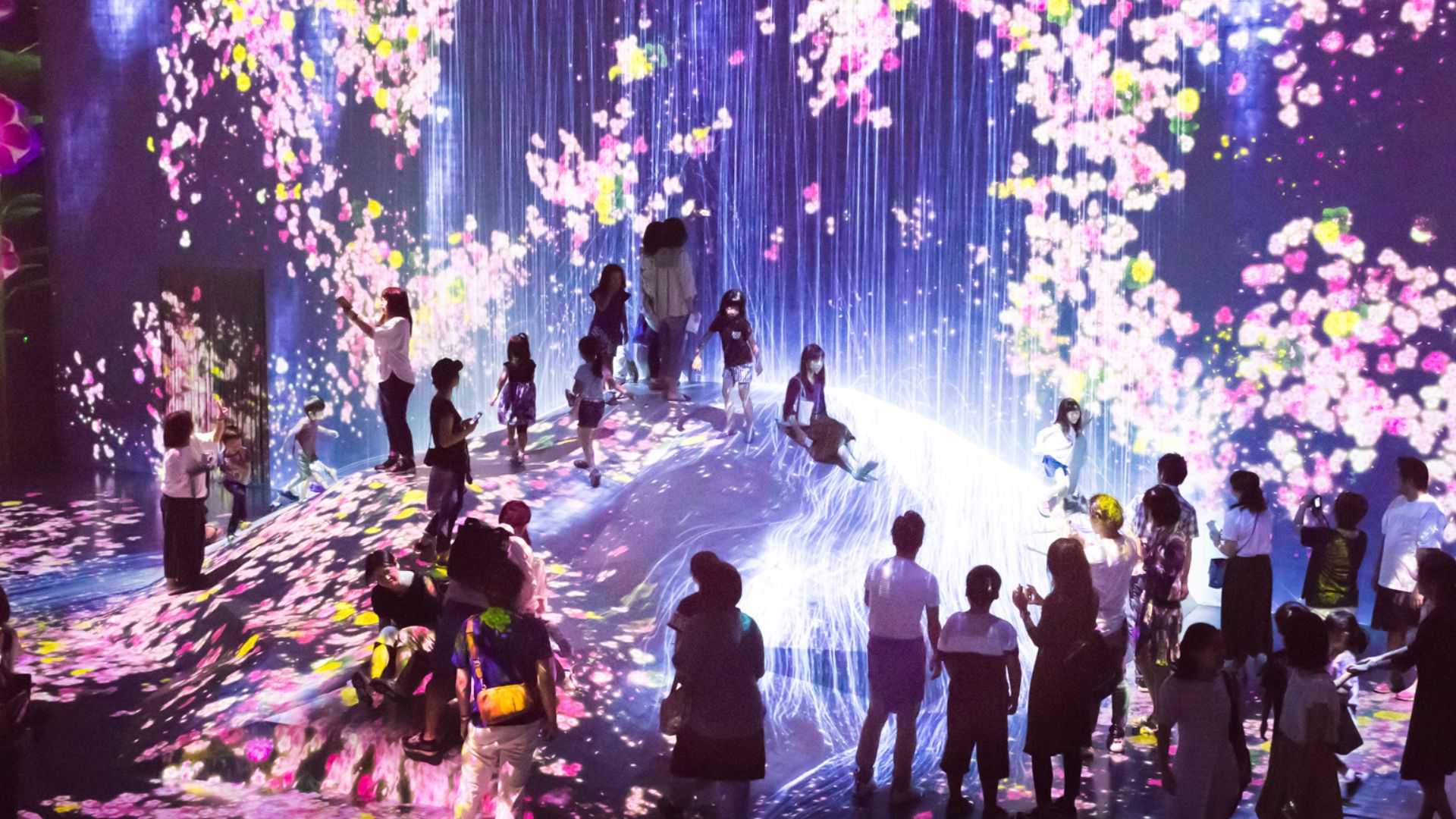
- Flower room where the petals bloom over the wall.
- The central oasis room is the largest space, and it changes every time you return.
- The Japanese art room features a black and white theme, showcasing the Japanese people as they walk along.
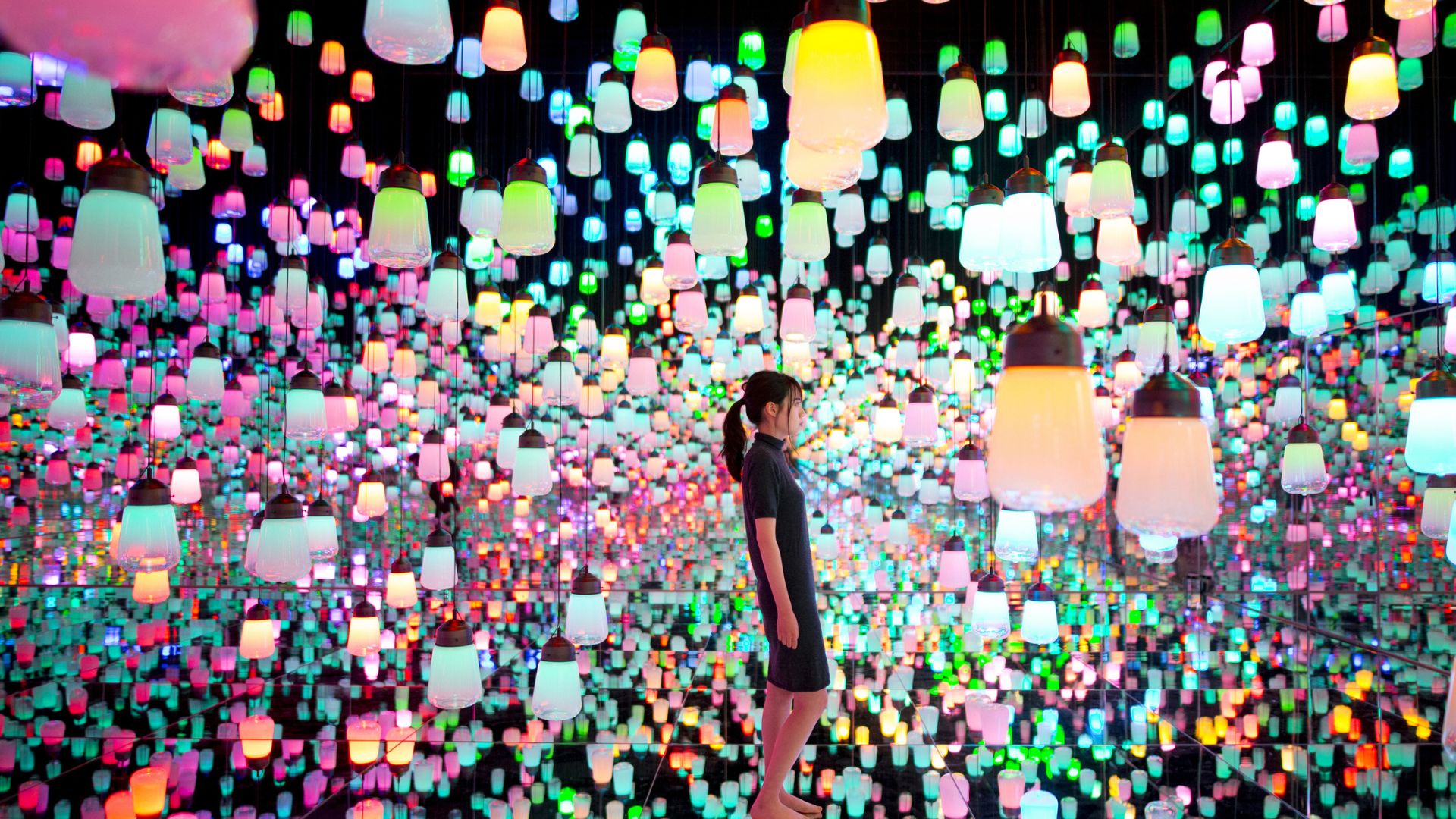
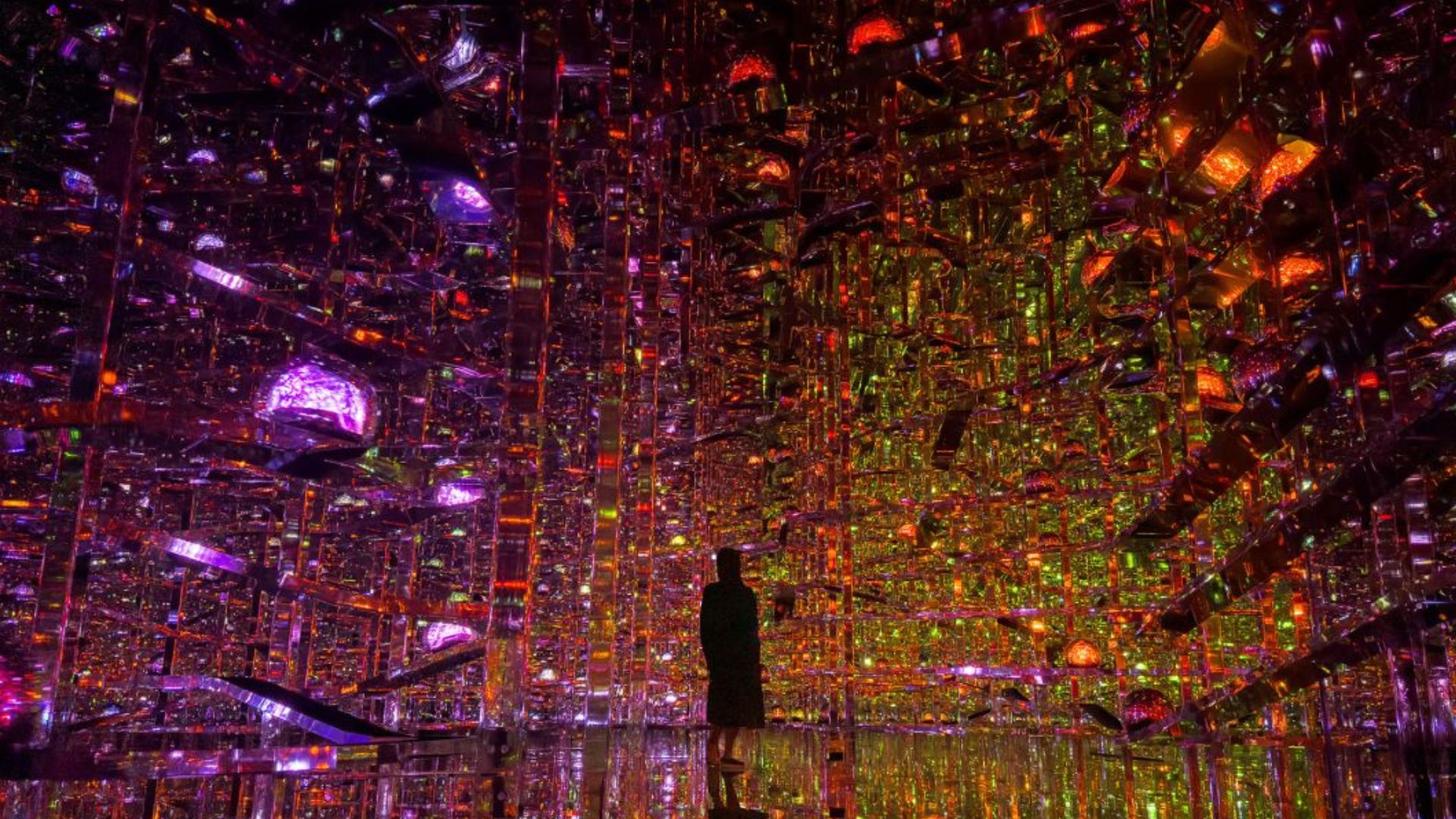
- Infinite Crystal World is an immersive installation featuring countless points of light that create a seemingly endless visual environment. teamLab Planets has a separate installation called The Infinite Crystal Universe.
TeamLab Planets
teamLab Planets is divided into four areas and follows a more structured route through its installations. Unlike Borderless, where visitors can wander freely, Planets guides visitors through a sequence of immersive experiences. Here is what you will find:
- Water area with digital koi that swim through the water and respond to visitors’ movements. When the koi collide with people, they transform into flowers.
- The Infinite Crystal Universe features numerous suspended points of light that change colours, creating the illusion of an endless illuminated space. Other immersive artworks at Planets use light, reflections, and sensory effects to create different visual experiences.
- The Forest Area is a playground with uneven floors where you can challenge your body in 3D spaces. It also has a ‘catching and collecting extinct forest‘ experience where you can capture digital animals.
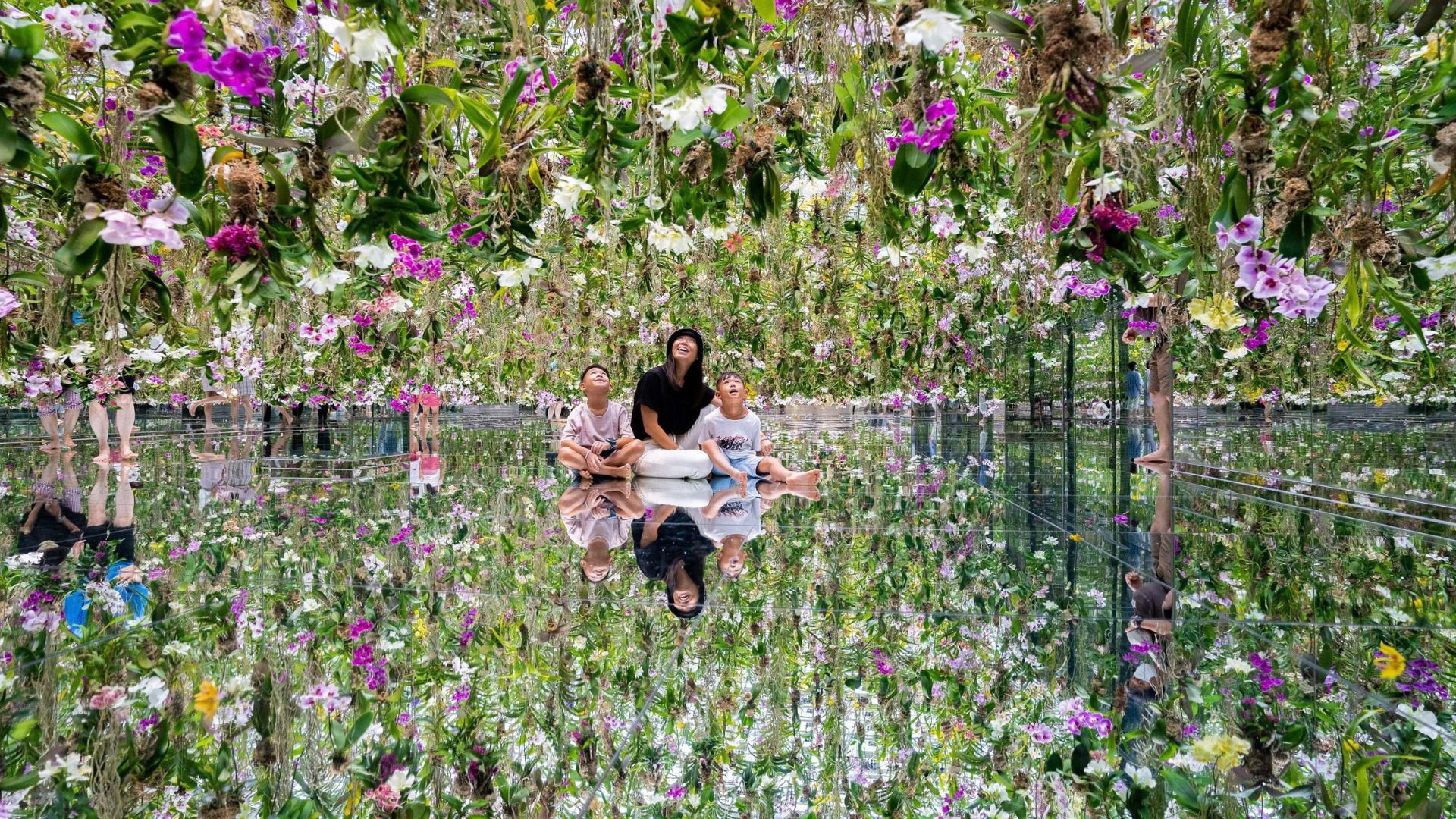
- The Floating Garden Area features real orchids hanging from the roof.
The real difference between teamLab Planets and Borderless is how you experience the art. While Planets offers a physical experience through water, light, sound, and body movement, Borderless promises to let you experience artwork freely. That’s one reason many people prefer covering both.
Can You Visit TeamLab Borderless and TeamLab Planets on the Same Tokyo Trip?
Yes, you can visit both (and it will actually be a worthwhile experience) if you have enough time in Tokyo. Although both the digital art experiences have been introduced by teamLab, the experiences are completely different and will not make you feel like you’ve already done it.
If immersive digital art excites you, and the itinerary allows, make sure you visit both with your travel buddies. However, if your Tokyo schedule is already packed, it’s perfectly fine to choose just one.
ALSO SEE – Best Tokyo Tour Package
How to Reach teamLab Borderless and teamLab Planets in Tokyo?
Both teamLab Borderless and teamLab Planets are easily accessible by Tokyo’s public transport system, but they are located in different parts of the city. Borderless is situated in Azabudai Hills in central Tokyo, while Planets is located in Toyosu, near Tokyo Bay. Travelling by metro or train is usually the easiest and most affordable option for tourists.

How to Reach teamLab Borderless?
teamLab Borderless is located at Azabudai Hills Garden Plaza B, Basement 1, Minato City, Tokyo. The museum is conveniently connected to Tokyo’s metro network, making it easy to reach from central Tokyo.
- Nearest Station: Kamiyacho Station (Tokyo Metro Hibiya Line), Exit 5, approximately a 2-minute walk.
- Alternative Station: Roppongi-itchome Station (Tokyo Metro Namboku Line), Exit 4, approximately a 6-minute walk.
- Museum Entrance: Garden Plaza B, Basement 1 (B1). Follow the signs for teamLab Borderless.
- By Taxi: Search for “teamLab Borderless Azabudai Hills” in your navigation app.
View teamLab Borderless on Google Maps →
How to Reach teamLab Planets?
teamLab Planets is located at 6-1-16 Toyosu, Koto City, Tokyo. It is close to the Tokyo waterfront and can be reached easily by train using the Yurikamome Line.
- Nearest Station: Shin-Toyosu Station (Yurikamome Line), Exit 1A, approximately a 3-minute walk.
- Alternative Station: Toyosu Station (Tokyo Metro Yurakucho Line), Exit 7, approximately a 10-minute walk.
- From Toyosu Station: Walk directly to the museum or transfer to the Yurikamome Line and get off at Shin-Toyosu Station.
- From Toyosu Market: Approximately a 5-minute walk from Shijomae Station to the museum.
- By Taxi: Search for “teamLab Planets TOKYO” in your navigation app.
View teamLab Planets on Google Maps →
Which Location Is More Convenient? Choose teamLab Borderless if your Tokyo itinerary includes Roppongi, Tokyo Tower or central Tokyo. teamLab Planets is more convenient if you’re exploring Toyosu Market or the waterfront. Both are accessible by public transport, so your choice should depend on the attractions you plan to visit that day.
ALSO SEE – Common Japanese Phrases for Tourists with PDF Download
Final Verdict: TeamLab Borderless or TeamLab Planets?
So, which one should you finally choose for your trip? teamLab Borderless is a preferable choice if you want to explore artwork without boundaries. However, teamLab Planets is better if you want a more physical and sensory experience.
But what’s best is if you can take out time and visit both to enjoy the immersive artwork. It will give you a lifetime of memories and a new perspective about nature and its belongings.
FAQs – teamLab Borderless vs Planets
1. Which is better, teamLab Borderless or Planets?
teamLab Borderless is better for travellers who enjoy exploring digital art freely, without following a fixed route. teamLab Planets is ideal for those seeking a more physical experience with water, lights, mirrors and interactive installations. Both are worth visiting, depending on your interests.
2. Is teamLab Borderless or Planets better for kids?
teamLab Planets can be more exciting for families with active children because of its interactive play areas and sensory installations. However, parents should supervise young children around water and uneven surfaces. Borderless is also a good option for families who prefer exploring art without getting wet.
3. How much time do you need for teamLab Borderless and Planets?
Plan approximately 2–3 hours for teamLab Borderless and 2–2.5 hours for teamLab Planets. You may need additional time during busy periods, especially if you want to take photographs or explore the installations at a relaxed pace.
4. Do you get wet at teamLab Planets?
Yes, visitors walk barefoot through water-based installations at teamLab Planets. Water can reach adult knee height in certain areas. Wear shorts or trousers that can be rolled up easily. Free rental shorts are available at the museum.
5. Can you visit teamLab Borderless and Planets on the same day?
Yes, you can visit both museums in one day, but it is better to allow at least 5–6 hours for the experiences and travel between locations. Borderless is in Azabudai Hills, while Planets is in Toyosu. Book separate entry slots with sufficient time between them.
6. Which is better for photography, teamLab Borderless or Planets?
Both museums offer impressive photography opportunities. Borderless features continuously changing digital artworks, colourful projections and mirrored environments. Planets is particularly popular for its water installations, illuminated spaces and floating orchid garden. Avoid flash photography and follow the museums’ photography rules.
7. Should you book teamLab Borderless or Planets tickets in advance?
Yes, advance online booking is highly recommended for both museums, particularly during weekends, public holidays and Japan’s cherry blossom season. Tickets are sold for specific admission slots, and popular dates may sell out. Check the official websites for current prices and availability.
8. Are teamLab Borderless and Planets wheelchair accessible?
Both museums provide accessibility arrangements, but certain installations have restrictions. At Planets, some water-based artworks require special wheelchair arrangements or alternative viewing routes. Visitors with mobility requirements should check each museum’s official accessibility guidelines before booking.
9. Is teamLab Planets closing in 2027?
According to teamLab’s currently published exhibition schedule, teamLab Planets in Toyosu is scheduled to operate until the end of 2027. An exact final closing date has not been specified. Travellers planning a visit in late 2027 or later should check the official website for updates.
10. Is teamLab Borderless or Planets worth visiting if you have only one day in Tokyo?
Yes, but choosing one is more practical if you have a packed Tokyo itinerary. Choose Borderless if you prefer exploring digital art at your own pace and are sightseeing around central Tokyo. Choose Planets if you want a unique water-based sensory experience or are visiting the Toyosu waterfront area.

Leave a Reply