

March and April months are generally among the best time to visit Vietnam on a multi-region trip because temperatures are relatively comfortable and rainfall is lower in many destinations. For southern Vietnam and Phu Quoc, December to April is generally best; Central Vietnam is most reliable from February to August; and northern Vietnam is particularly pleasant in March–April and September–November.
Vietnam is one of the most popular international holiday destinations from India is a long, narrow country with sharply different regional climates. It is like visiting three countries at once, with one having cold weather, the other having humid weather, and the last one staying pleasant throughout.
Consider this: you’re planning your trip in January, and your travel includes Hanoi and Phu Quoc. Hanoi would surely require you to wear a light jacket, while Phu Quoc has peak beach weather. Same country, different experiences. But there’s no need to worry! This guide provides a simple month-by-month overview of Vietnam’s weather, destinations, crowds and travel conditions.
ALSO SEE – Vietnam Tour Packages
When is the Best Time to Visit Vietnam
March to April is generally the best time to visit Vietnam but for each region it may vary. The weather feels comfortable for visiting cities, mountains, and beaches.
The second-best period for exploring North Vietnam is September to November, when rainfall decreases and conditions become cooler and more comfortable. The place gets filled with greenery, and is quieter with fewer crowds.

ALSO SEE – Vietnam Classic Tour Package
Understanding Weather Patterns of Vietnam
Vietnam includes tropical and temperate climate zones. Northern areas can become very cold, while parts of the country can reach around 40°C.
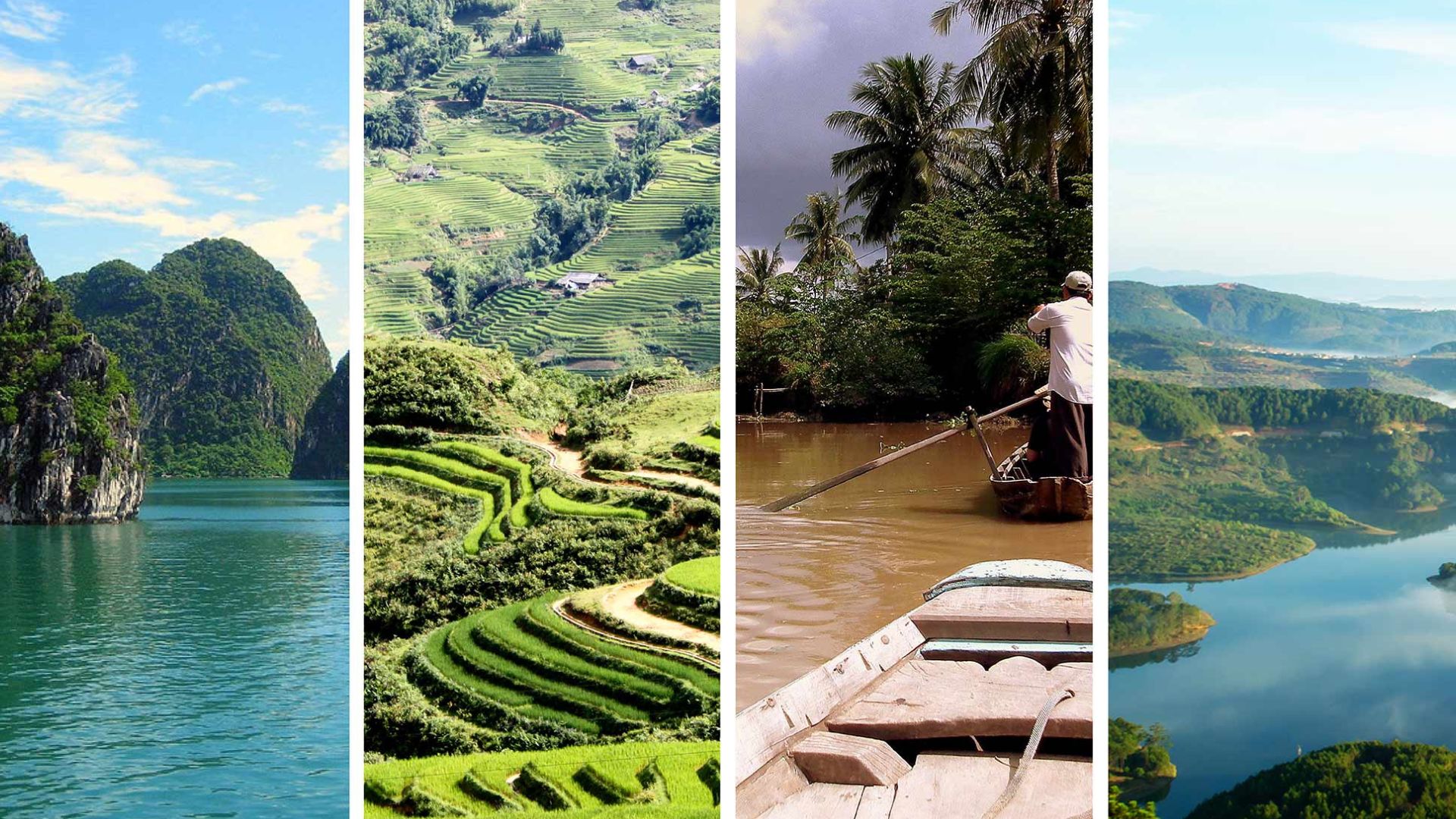
Major seasons include:
- Dry season
- Monsoon season
Both seasons are different in North, Central, and South Vietnam.
- North Vietnam: Cooler winters and lower temperatures
- Central Vietnam: Typhoon-prone with breezy and light weather
- South Vietnam: Warmer throughout the year with short tropical showers
The best time to visit Vietnam mainly depends on the area you’re planning to visit.
Vietnam Weather Month by Month
The temperatures below are approximate ranges for popular destinations. Mountain areas such as Sapa, Ha Giang and Da Lat can be considerably cooler.
Vietnam in January
January is one of the best months for visiting southern Vietnam. Phu Quoc, Ho Chi Minh City and the Mekong Delta are sunny and relatively dry, while Hanoi and northern mountain areas remain cool or cold.

| Region | Weather and Temperature | Rain Risk and Best Destinations |
|---|---|---|
| North Vietnam | Cool and mostly dry, around 10–20°C. Hanoi and Ha Long Bay can be misty. | Low rain risk. Best for Hanoi, Ninh Binh and Ha Long Bay. |
| Central Vietnam | Mild, around 18–26°C. Rainfall gradually decreases during the month. | Moderate rain risk early in January. Best for Hue, Hoi An and Da Nang later in the month. |
| South Vietnam | Warm, sunny and dry, around 24–31°C. | Low rain risk. Best for Phu Quoc, Ho Chi Minh City and the Mekong Delta. |
Travellers combining regions should carry light layers, allow extra transfer time during holiday periods, and reserve southern beach stays early for better overall room choices.
| Crowds and Prices | High, particularly around New Year and Tet when it falls in January. Flights and beach resorts may be expensive. |
|---|---|
| Best Activity | Relaxing on southern beaches, exploring Ho Chi Minh City and taking a Mekong Delta cruise. |
| Practical Warning | Pack a jacket for Hanoi and warmer clothing for Sapa, where temperatures can fall much lower than in the cities. |
Vietnam in February
February offers some of the most balanced weather conditions across Vietnam. Northern areas remain cool, Central Vietnam becomes sunnier, and the south continues to enjoy dry beach weather.

| Region | Weather and Temperature | Rain Risk and Best Destinations |
|---|---|---|
| North Vietnam | Cool and occasionally misty, around 12–22°C. | Low rain risk. Best for Hanoi, Ninh Binh and Ha Long Bay. |
| Central Vietnam | Increasingly warm and sunny, around 20–28°C. | Low rain risk. Best for Hoi An, Da Nang and Hue. |
| South Vietnam | Dry and sunny, around 24–32°C. | Very low rain risk. Best for Phu Quoc, Con Dao and Ho Chi Minh City. |
A north-to-south itinerary works well this month, but travellers should confirm Tet opening hours and book domestic transport before arriving in major cities or islands.
| Crowds and Prices | Moderate to very high during Tet. Hotels, trains and domestic flights may cost more. |
|---|---|
| Best Activity | Taking a multi-region sightseeing trip combining cultural attractions and beaches. |
| Practical Warning | Tet dates change each year. Some family-run shops and restaurants may close during the holiday. |
Vietnam in March
March is one of the best months for exploring several regions of Vietnam in one trip. Northern Vietnam is mild, the central coast is sunny, and southern Vietnam remains dry, although temperatures begin to rise.

| Region | Weather and Temperature | Rain Risk and Best Destinations |
|---|---|---|
| North Vietnam | Mild and relatively dry, around 16–25°C. | Low rain risk. Best for Hanoi, Sapa, Ha Giang and Ha Long Bay. |
| Central Vietnam | Warm, clear and sunny, around 23–30°C. | Low rain risk. Best for Hoi An, Da Nang, Hue and Nha Trang. |
| South Vietnam | Hot, sunny and dry, around 25–34°C. | Low rain risk. Best for Phu Quoc, Ho Chi Minh City and the Mekong Delta. |
March suits first-time visitors because weather disruptions are limited, making it easier to combine Hanoi, Hoi An, Ho Chi Minh City and beaches comfortably overall.
| Crowds and Prices | High in popular destinations, with moderate to high hotel and tour prices. |
|---|---|
| Best Activity | Combining northern trekking, cultural sightseeing and central-coast beaches. |
| Practical Warning | Southern Vietnam can become very hot. Plan outdoor sightseeing early in the morning and carry enough water. |
Vietnam in April
April remains a good month for travelling across Vietnam. Northern areas are warm, Central Vietnam has excellent beach weather, and the south is hot with an increasing chance of late-month showers.

| Region | Weather and Temperature | Rain Risk and Best Destinations |
|---|---|---|
| North Vietnam | Warm and increasingly humid, around 20–29°C. | Low to moderate rain risk. Best for Sapa, Ha Giang, Hanoi and Ninh Binh. |
| Central Vietnam | Sunny, dry and warm, around 25–32°C. | Low rain risk. Best for Da Nang, Hoi An, Hue and Nha Trang. |
| South Vietnam | Very hot and mostly dry, around 26–35°C. | Low to moderate rain risk. Best for Ho Chi Minh City, Phu Quoc and the Mekong Delta. |
Travellers should start sightseeing early, use sun protection, and keep one flexible afternoon for heat, sudden showers or delayed transfers between destinations during busy periods.
| Crowds and Prices | Moderate to high. Demand increases around Reunification Day and Labour Day at the end of the month. |
|---|---|
| Best Activity | Trekking in northern Vietnam and enjoying beach holidays along the central coast. |
| Practical Warning | Book transport and accommodation early for the 30 April and 1 May holiday period. |
Vietnam in May
May marks the transition towards wetter weather in northern and southern Vietnam. Central coastal destinations remain hot and sunny, making them the strongest choice for a beach holiday.

| Region | Weather and Temperature | Rain Risk and Best Destinations |
|---|---|---|
| North Vietnam | Hotter and more humid, around 24–33°C. | Moderate rain risk. Best for Sapa, Mu Cang Chai and northern rice-growing regions. |
| Central Vietnam | Hot and mostly sunny, around 27–35°C. | Low rain risk along the coast. Best for Da Nang, Hoi An, Hue and Nha Trang. |
| South Vietnam | Hot and humid with short afternoon showers, around 25–34°C. | Moderate rain risk. Best for Ho Chi Minh City, the Mekong Delta and Con Dao. |
May offers good value, especially for flexible travellers who can plan indoor breaks during afternoon heat and choose central beaches for clearer weather conditions overall.
| Crowds and Prices | Moderate crowds with better-value prices after the early-May public holidays. |
|---|---|
| Best Activity | Swimming, diving and relaxing at Central Vietnam’s beaches. |
| Practical Warning | Heat and humidity can be intense. Keep afternoon plans flexible because thunderstorms may develop quickly. |
Vietnam in June
June is hot throughout Vietnam. Northern and southern regions receive regular rain, while the central coast usually has sunny conditions suitable for beach holidays.

| Region | Weather and Temperature | Rain Risk and Best Destinations |
|---|---|---|
| North Vietnam | Hot, humid and rainy, around 26–35°C. | High rain risk, especially in mountain areas. Hanoi can still be visited between showers. |
| Central Vietnam | Hot, sunny and mostly dry along the coast, around 28–36°C. | Low to moderate rain risk. Best for Da Nang, Hoi An, Hue and Nha Trang. |
| South Vietnam | Warm, humid and wet, around 25–33°C. | Moderate to high rain risk. Best for Ho Chi Minh City and the Mekong Delta with flexible plans. |
Plan city visits in the morning, schedule beach time later, and keep waterproof bags ready for electronics, passports and medication during sudden downpours or storms.
| Crowds and Prices | International crowds are lower, but domestic demand rises at popular beach resorts during school holidays. |
|---|---|
| Best Activity | Enjoying a central-coast beach holiday and exploring Hoi An in the evening. |
| Practical Warning | Avoid difficult mountain treks because heavy rain can create muddy paths and increase landslide risk. |
Vietnam in July
July is hot and wet in northern and southern Vietnam. The central coast generally receives better beach weather, although it can be crowded with domestic holidaymakers.

| Region | Weather and Temperature | Rain Risk and Best Destinations |
|---|---|---|
| North Vietnam | Hot, humid and very wet, around 26–35°C. | High rain and storm risk. Hanoi and Ninh Binh are possible with flexible itineraries. |
| Central Vietnam | Hot, sunny and mostly dry, around 28–36°C. | Low to moderate rain risk. Best for Da Nang, Hoi An, Hue and Nha Trang. |
| South Vietnam | Warm and wet with frequent short downpours, around 25–33°C. | High rain risk. Ho Chi Minh City can still be explored between showers. |
Travellers should prioritise refundable bookings, check cruise updates daily, and avoid tight connections because storms can affect ferries, flights, roads and mountain routes without warning.
| Crowds and Prices | Domestic crowds and prices are high at central beach resorts, while other areas may offer lower rates. |
|---|---|
| Best Activity | Beach breaks, water activities and evening food tours in Central Vietnam. |
| Practical Warning | Storms can cancel Ha Long Bay cruises, while northern mountain trails may become unsafe. |
Vietnam in August
August remains rainy in northern and southern Vietnam. Central coastal destinations can still offer good beach conditions, although rainfall and storm risk begin increasing later in the month.

| Region | Weather and Temperature | Rain Risk and Best Destinations |
|---|---|---|
| North Vietnam | Hot, humid and very wet, around 25–34°C. | High rain and storm risk. Hanoi is more suitable than remote mountain regions. |
| Central Vietnam | Hot and often sunny, around 27–35°C. | Moderate and increasing rain risk. Best for Da Nang, Hoi An and Nha Trang early in the month. |
| South Vietnam | Rainy and humid with sunny breaks, around 25–32°C. | High rain risk. Best for Ho Chi Minh City and indoor cultural attractions. |
Keep itineraries flexible, choose hotels near indoor attractions, and allow buffer days when travelling between islands, mountain areas and cities during unsettled weather this month.
| Crowds and Prices | Moderate to high domestic crowds. Central beach prices may remain elevated during the summer holidays. |
|---|---|
| Best Activity | Enjoying central-coast beaches and visiting museums, markets and food streets. |
| Practical Warning | Avoid demanding northern mountain treks, and check sea conditions before booking ferries or island trips. |
Vietnam in September
September is a transitional month. Rain begins easing in northern Vietnam, while Central Vietnam enters its wettest and stormiest period. Southern Vietnam remains rainy but offers lower prices and fewer visitors.

| Region | Weather and Temperature | Rain Risk and Best Destinations |
|---|---|---|
| North Vietnam | Warm, with rainfall decreasing later in the month, around 24–32°C. | Moderate rain risk. Best for Mu Cang Chai, Sapa and Hanoi later in September. |
| Central Vietnam | Warm, wet and increasingly stormy, around 25–33°C. | High to very high rain risk. Hue, Hoi An and Da Nang may experience flooding or storms. |
| South Vietnam | Humid and rainy, around 24–32°C. | High rain risk. Ho Chi Minh City remains accessible with flexible sightseeing plans. |
September rewards patient travellers with fewer crowds and colourful landscapes, but central routes need backup plans because flooding can interrupt trains, buses and tours unexpectedly.
| Crowds and Prices | Low crowds and lower prices in many destinations, although local festivals can increase demand. |
|---|---|
| Best Activity | Photographing northern rice terraces and trekking later in the month. |
| Practical Warning | Flooding can close caves and disrupt road or railway journeys through Central Vietnam. |
Vietnam in October

October brings some of the year’s best conditions to northern Vietnam. Central Vietnam faces heavy rain and possible typhoons, while southern rainfall gradually decreases towards the end of the month.
| Region | Weather and Temperature | Rain Risk and Best Destinations |
|---|---|---|
| North Vietnam | Cooler, drier and more comfortable, around 21–29°C. | Low to moderate rain risk. Best for Sapa, Ha Giang, Mu Cang Chai, Hanoi and Ninh Binh. |
| Central Vietnam | Wet, humid and stormy, around 23–30°C. | Very high rain, flood and typhoon risk. Travel to Hue, Hoi An and Da Nang may be disrupted. |
| South Vietnam | Warm with gradually decreasing rainfall, around 24–32°C. | Moderate rain risk. Phu Quoc becomes more suitable later in the month. |
Focus on northern Vietnam, monitor central weather alerts, and avoid non-refundable bookings in flood-prone areas where attractions and transport services may close suddenly without notice.
| Crowds and Prices | Low to moderate crowds with good-value prices, although demand starts rising in northern destinations. |
|---|---|
| Best Activity | Trekking, cycling and photographing rice landscapes in northern Vietnam. |
| Practical Warning | Hoi An can flood, and boat services, roads and attractions may close during severe weather. |
Vietnam in November
November is one of the best months for visiting northern and southern Vietnam. The north is mild and dry, while the southern dry season begins. Central Vietnam, however, may still experience heavy rain and flooding.

| Region | Weather and Temperature | Rain Risk and Best Destinations |
|---|---|---|
| North Vietnam | Mild, dry and generally clear, around 17–26°C. | Low rain risk. Best for Hanoi, Ha Long Bay, Sapa, Ha Giang and Ninh Binh. |
| Central Vietnam | Wet and unsettled, around 21–28°C. | High to very high rain and flood risk. Hue, Hoi An and Nha Trang may face disruptions. |
| South Vietnam | Warm, increasingly sunny and less humid, around 24–32°C. | Low to moderate rain risk. Best for Phu Quoc, Ho Chi Minh City, Mui Ne and the Mekong Delta. |
A split itinerary works best: spend more time in the north and south, while keeping Central Vietnam optional until reliable local weather forecasts become available.
| Crowds and Prices | Crowds and prices begin rising in northern destinations and southern beach resorts. |
|---|---|
| Best Activity | Ha Long Bay cruises, northern trekking and southern beach holidays. |
| Practical Warning | Keep Central Vietnam itineraries flexible because storms can delay transport and close attractions. |
Vietnam in December
December is an excellent month for southern beaches and city sightseeing. Northern Vietnam is cool and mostly dry, while Central Vietnam gradually improves after the rainy season.

| Region | Weather and Temperature | Rain Risk and Best Destinations |
|---|---|---|
| North Vietnam | Cool, dry and occasionally misty, around 13–22°C. | Low rain risk. Best for Hanoi, Ninh Binh and Ha Long Bay. |
| Central Vietnam | Mild with improving conditions, around 19–27°C. | Moderate rain risk early in the month. Hoi An, Da Nang and Hue improve later in December. |
| South Vietnam | Dry, sunny and pleasantly warm, around 23–31°C. | Low rain risk. Best for Phu Quoc, Con Dao, Ho Chi Minh City, Mui Ne and the Mekong Delta. |
Travellers should reserve popular resorts early, pack for contrasting climates, and avoid overly ambitious itineraries during Christmas and New Year traffic peaks nationwide this month.
| Crowds and Prices | High crowds and prices, particularly during Christmas and New Year. |
|---|---|
| Best Activity | Relaxing on southern beaches, exploring cities and taking a Mekong Delta cruise. |
| Practical Warning | Book flights and resorts early, and bring suitable winter clothing when travelling to northern Vietnam. |
Best Time to Visit Vietnam: North Vietnam
North Vietnam includes city attractions like Hanoi, Sapa, and Halong Bay:
- The weather between December and February is cool with misty conditions, and temperatures ranging from 10 °C to 15 °C
- Between March and April, you’ll experience clear skies with spring-like conditions.
- Avoid the summer season (between June and August) due to heavy rain and humid temperatures. Mountain travel may be affected due to landslides
The best months to visit North Vietnam are between September to November. It is best for exploring the tourist spots of Hanoi, trekking in Sapa, and experiencing Ha Long Bay cruises.
Best Time to Visit Vietnam: Central Vietnam
Central Vietnam includes attractions like Da Nang, Hue, and Hoi An:
- Avoid visiting between September and November. The weather gets humid, and cyclone- & flood-prone
- Summer is hot but beach-friendly. Visit if you want to get a good tan
The best time to visit central Vietnam is between February and August. Da Nang is best explored during this time.
Best Time to Visit Vietnam: South Vietnam
South Vietnam includes Ho Chi Minh City, Phu Quoc, and the Mekong Delta:
South Vietnam remains warm throughout the year. Its rainy season generally runs from May to October or November, with short but heavy afternoon showers.
The best time to visit South Vietnam is between December and April. Get on a city walk in Ho Chi Minh City, long river cruises in the Mekong Delta, and soothing beach days in Phu Quoc.
ALSO SEE – Best time to Visit Turkey
Best Time to Visit Vietnam from India
March and April are among the best months to visit Vietnam from India, especially for travellers planning a multi-region holiday. The weather is generally suitable for combining Hanoi, Ha Long Bay, Hoi An, Da Nang, Ho Chi Minh City and Phu Quoc in one itinerary.
Indian travellers planning a beach holiday should consider December to April. Southern destinations such as Phu Quoc, Mui Ne and the Mekong Delta usually experience drier weather during this period. However, Hanoi, Sapa and other northern destinations can be cool or cold, particularly from December to February.
Best Time to visit Vietnam for Indian Travelers
- For a multi-region holiday: March to April
- For North Vietnam: March to April and September to November
- For Central Vietnam beaches: February to August
- For South Vietnam and Phu Quoc: December to April
- For lower prices and fewer international tourists: May to September, with a greater chance of rain
Families travelling during the Indian summer holidays in May and June can consider Da Nang, Hoi An and Nha Trang, where the central coast often has better beach conditions. Northern and southern Vietnam receive more frequent rain during this period, so flexible plans are advisable.
Travellers leaving warm Indian cities should pack light jackets and layers when visiting Hanoi, Sapa or Ha Giang during winter. Quick-drying clothes, waterproof footwear, sunscreen and a compact umbrella are useful during warmer and wetter months.
Christmas, New Year and Tet can increase demand for flights, hotels and domestic transport. Book important services early and check Tet opening hours because some local businesses may close or operate on reduced schedules.
Before departure, Indian passport holders should check the latest Vietnam visa requirements, passport-validity rules and entry conditions through official government sources.
Travel Tips For First-Time Travellers
- If you’re travelling during the peak season, make sure to book the hotels and flights at least 2 months prior
- If you need a budget-friendly trip with fewer crowds, plan between May and July. Although it may include rain risks
- Pack light layers for a winter visit to northern Vietnam
- Do pack quick-dry clothes for unpredictable rains/showers
- Waterproof footwear is important
- Central Vietnam has a higher risk of heavy rain, flooding and typhoons from September to November. Monitor forecasts and use flexible or refundable bookings during this period.
- Get a local Vietnam eSIM for easy travel.
Vietnam, the Southeast Asian beauty, is a natural paradise filled with mountains, rivers, forests, beaches, and greenery. Although monsoon-driven, the country shows varied weather conditions. Even during its off-season, it has a lot to offer. Plan your trip to Vietnam with the travel experts.
Frequently Asked Questions About the Best Time to Visit Vietnam
Which month is best for visiting Vietnam?
March is one of the best months to visit Vietnam because the weather is generally comfortable across the north, centre and south. April is also suitable for a multi-region trip, although southern Vietnam can become quite hot.
What is Vietnam’s rainy season?
Vietnam’s rainy season varies by region. Northern and southern Vietnam generally receive more rain from May to October, while Central Vietnam experiences its wettest conditions from September to November.
Which months should travellers avoid?
There is no single month when all of Vietnam should be avoided. However, June to August can bring heavy rain to northern mountain areas, while September to November has a higher risk of flooding and typhoons in Central Vietnam.
Is December a good time to visit Vietnam?
Yes, December is a good time to visit Vietnam, especially Ho Chi Minh City, Phu Quoc and the Mekong Delta. Northern Vietnam is cooler and mostly dry, while Central Vietnam may still experience some rain early in the month.
What is the cheapest time to visit Vietnam?
May to September is often a more affordable time to visit Vietnam because international tourist numbers are lower. Travellers may find cheaper hotels and tours, but they should be prepared for rain, humidity and possible weather disruptions.
When is the best time to visit Vietnam from India?
March and April are among the best months to visit Vietnam from India because they offer suitable weather for a multi-region holiday. December to February is also ideal for travellers planning southern beaches and city sightseeing.
When should I visit Phu Quoc?
The best time to visit Phu Quoc is from December to April, when the island usually has dry, sunny weather and calmer seas. May to October is wetter, with rougher sea conditions and frequent tropical showers.
When should I visit Hanoi and Ha Long Bay?
The best times to visit Hanoi and Ha Long Bay are March to April and October to November. These periods generally offer comfortable temperatures and lower rainfall, although mist can occasionally affect visibility in Ha Long Bay.

Leave a Reply